Last updated on: September 5th, 2026 00:36 am
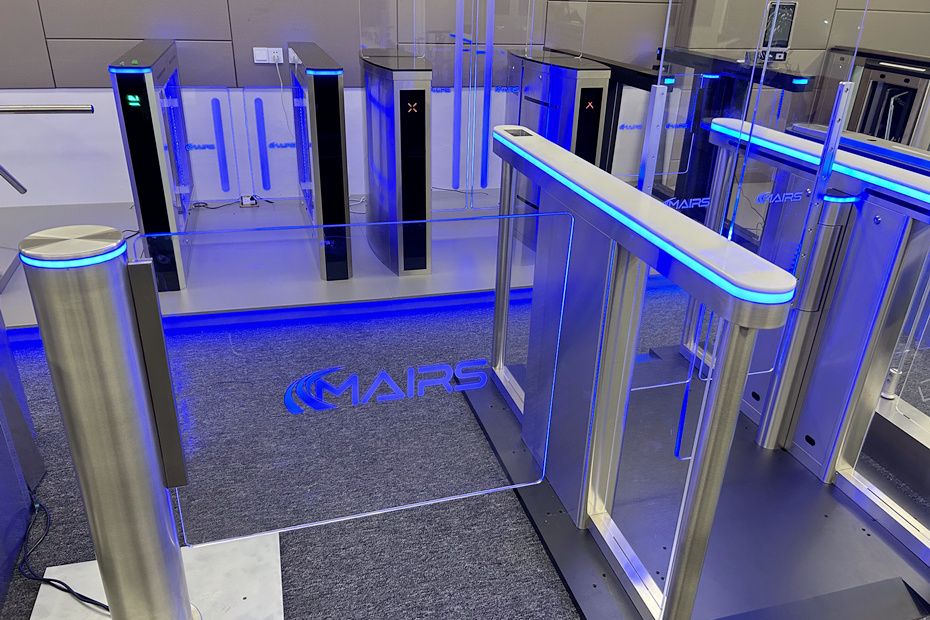
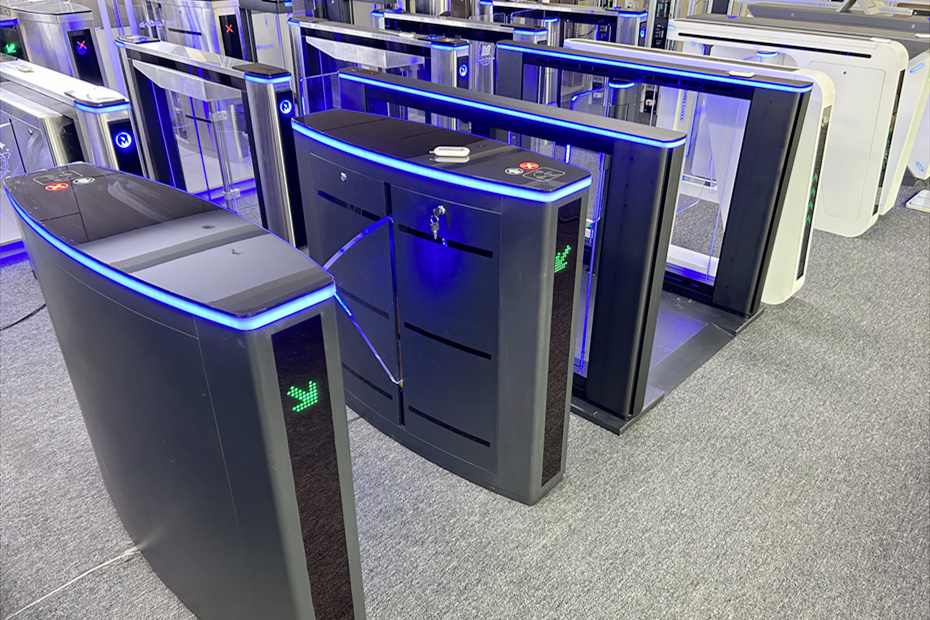
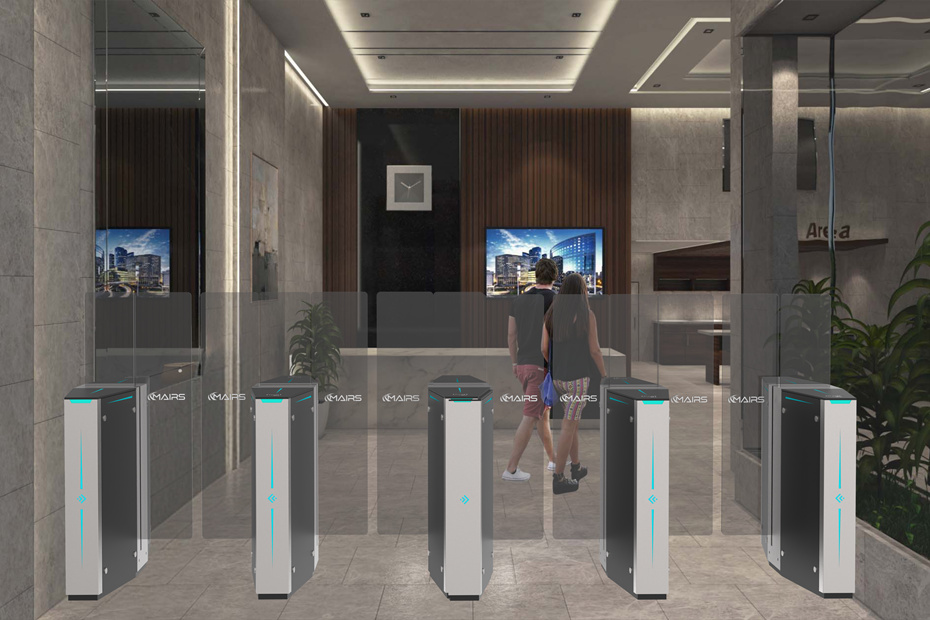
In the world of pedestrian access control, there are standard solutions, and then there is the flagship. The sliding turnstile represents the pinnacle of security, design, and operational elegance.
Unlike traditional turnstiles that rotate or swing, the sliding turnstile uses a horizontal, translating door panel to create a secure barrier. This mechanism offers a unique combination of physical strength, smooth aesthetics, and whisper-quiet operation that is unmatched by other gate types.
This guide explains what a sliding turnstile is, its key advantages, and why it is the preferred choice for the world’s most demanding and high-profile entrances.
What is a sliding turnstile?
The sliding turnstile is a kind of security equipment through the gate horizontal translation (left and right sliding) to realize the passage control. Driven by a high-performance motor, the panels retract smoothly into the chassis to allow passage and slide out to form a solid, secure barrier.
This design is distinct from:
Flap Barrier Security Turnstiles: Which use small, retractable wings.
Swing Barrier Gate Turnstiles: Which use arms that swing open.
Tripod Barrier Security Turnstiles: Which use rotating tri-arms.
The sliding turnstile is often chosen for its high-end appearance, robust physical security, and exceptionally quiet and smooth operation.
Sliding turnstile can be opened and closed manually by push button, swipe card, remote control, etc., and can also be opened and closed fully automatically by face recognition, human body sensing, etc.
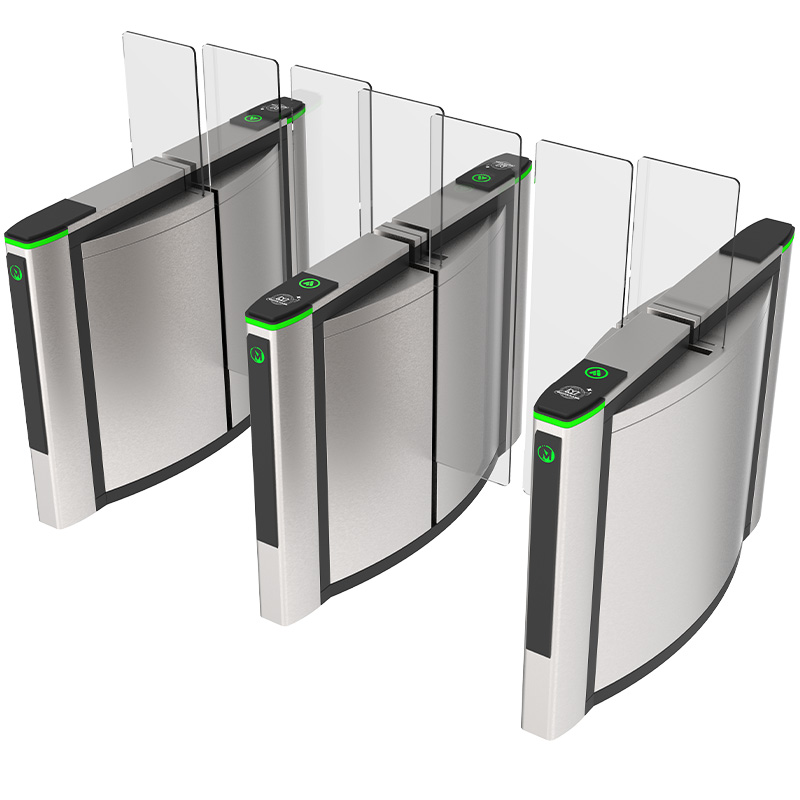
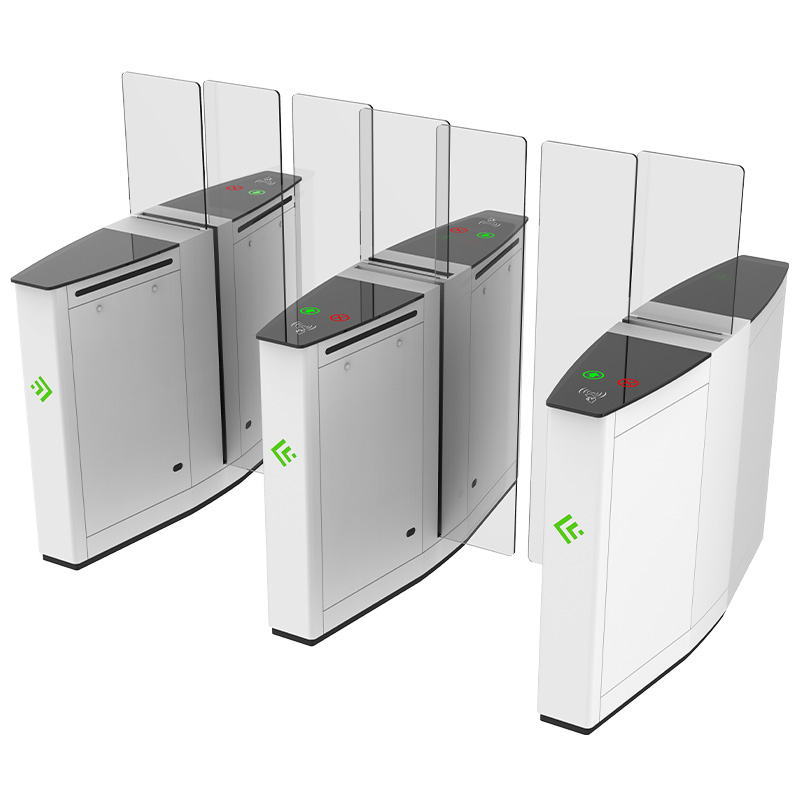
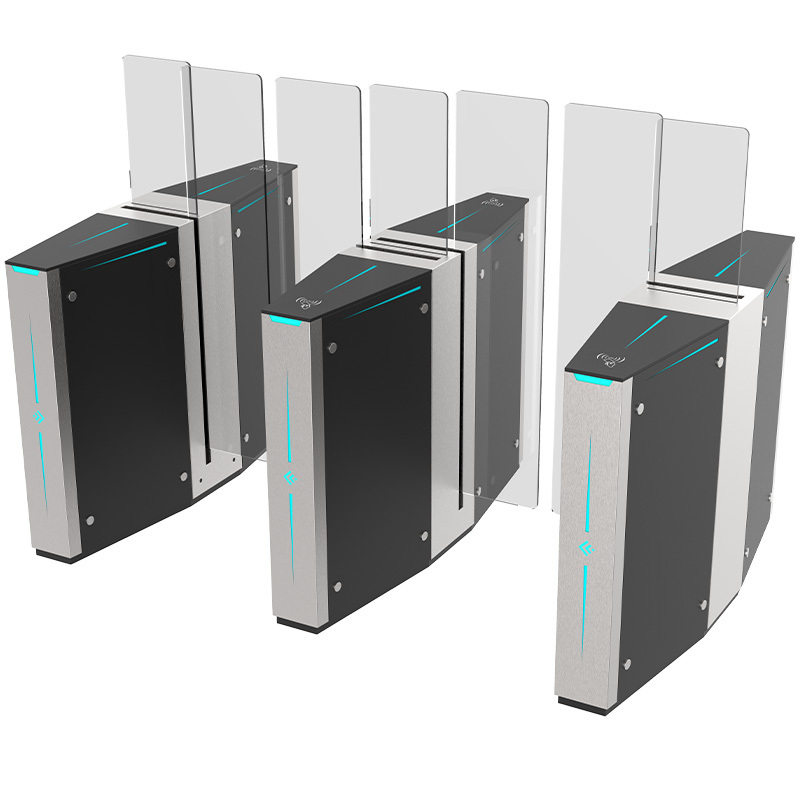
Composition of the sliding turnstile
A typical sliding turnstile is comprised of:
Metal Chassis Frame: A sturdy housing, usually made of high-grade stainless steel.
Door Wings: The moving barriers, often made of tempered glass or reinforced acrylic for a sleek, transparent look. These can be customized up to 1.8 meters in height.
Drive Motor: A high-torque, durable motor designed for hundreds of thousands of opening and closing cycles.
Control System: The intelligent brain that processes signals from sensors and access control devices.
Sensor Array: A matrix of infrared sensors (often 6 or more pairs) for detecting pedestrians, preventing pinching, and ensuring anti-tailgating security.
LED Lighting: Integrated light bars enhance the aesthetic appeal and provide clear visual status indication to users.

Sliding Turnstile vs. Other Turnstiles
| Feature | Sliding Turnstile | Flap Barrier | Swing Turnstile |
|---|---|---|---|
| Security Level | Highest. Forms a solid, physical barrier. Difficult to climb or force. | High. Effective barrier, but wings are smaller. | Moderate to High. Arms can be a deterrent but may be pushed. |
| Aesthetics | Premium. Sleek, glass panels, integrated lighting. | Modern and stylish. | Highly customizable, but can be more robust in appearance. |
| Noise Level | Ultra-Quiet. Smooth sliding motion. | Quiet. | Can be quiet, but some models have mechanical noise. |
| Passage Speed | Fast (0.2-0.5 sec open time). | Very Fast (0.4-0.6 sec). | Moderate to Fast. |
| Barrier Height | Can be very high (up to 1.8m), offering superior anti-climb protection. | Low (waist-high). | Low to medium (waist-high or slightly higher). |
| Ideal Environment | High-security corporate lobbies, airports, data centers, VIP areas. | High-traffic pedestrian areas (subways, stadiums). | Mixed traffic areas (offices with bikes, schools). |
| Cost | Premium (Highest). | Moderate to High. | Moderate. |
Why Choose a Sliding Turnstile?
For projects where security, image, and long-term performance are the top priorities, the sliding turnstile is the clear winner.
1. Uncompromising Security
Physical Barrier: The tall, solid door wings (up to 1.8m) create a formidable barrier that is extremely difficult to climb over or crawl under, offering a level of security closer to a full-height turnstile but with a much more open feel.
Anti-Tailgating: Advanced infrared sensor arrays (often 6+ pairs) provide precise detection, effectively preventing unauthorized following.
Anti-Pinch Safety: Multiple sensors ensure the doors stop or reverse immediately if an obstacle is detected, guaranteeing pedestrian safety.
Emergency Locking: In high-security applications (like prisons or data centers), the gate can be programmed to lock securely in place during a security breach.
2. Premium Aesthetics and Brand Image
Sleek Design: The use of glass door panels and integrated LED lighting creates a modern, high-tech look that elevates the entire entrance.
Customization: The appearance—including colors, logos, and lighting—can be customized to perfectly match corporate branding or architectural themes.
Open Feel: Unlike solid metal barriers, the glass panels maintain a sense of openness and light, preventing the entrance from feeling like a fortress.
3. High Efficiency and Smooth Flow
Fast Operation: With opening speeds as quick as 0.2-0.5 seconds, they efficiently handle high traffic volumes without creating bottlenecks.
Quiet Operation: The sliding mechanism is inherently smooth and quiet, making it ideal for noise-sensitive environments like libraries, museums, and quiet corporate offices.
Bi-Directional Flow: Easily configured for one-way or two-way traffic to manage tidal flows.
4. Long-Term Value and Durability
Robust Construction: Built with high-strength materials like stainless steel and impact-resistant acrylic, they are designed to withstand continuous use and accidental impacts.
Long Lifespan: High-quality motors are rated for over 500,000 cycles, ensuring a low total cost of ownership despite the higher initial investment.
Easy Maintenance: Modular design allows for quick and easy part replacement. Automatic fault detection simplifies troubleshooting.

Considerations Before Buying
While the sliding turnstile offers unmatched benefits, it’s important to be aware of the requirements:
Higher Initial Cost: The sliding turnstile is a premium investment, with a price point higher than tripod, swing, or flap barrier turnstiles.
Installation Space: Requires sufficient width for the lane (typically ≥600mm) and adequate depth within the chassis for the door panels to retract. A perfectly level floor is essential to prevent the sliding doors from jamming.
Basic Working Principle
The sliding turnstile is a kind of access control equipment that moves the gate panel along the horizontal direction by motor drive. Its basic working principle is to control the forward and reverse rotation of the motor, so that the gate door plate in the opening and closing of the gate panning along the horizontal direction, so as to realize the control of entrances and exits.
Common Applications for Sliding Turnstiles
The unique combination of security and aesthetics makes the sliding turnstile ideal for a wide range of high-end applications.
High-Security Zones:
Government buildings and agencies
Corporate data centers and R&D facilities
Prisons and courthouses
Bank vaults and financial institutions
High-Traffic Transit Hubs:
Airport security checkpoints
High-speed rail and subway station fare gates
Luxury cruise terminals
Premium Corporate Environments:
Headquarters lobbies and executive floors
High-rise office building elevator halls
Group enterprise entrances
Cultural & Public Venues:
Museums and art galleries
Libraries and archives
Concert halls and theaters
Industrial & Specialized Sites:
Pharmaceutical and cleanroom facilities
High-tech factory floors
Private member clubs

Elevate Your Entrance with the Sliding Turnstile
The sliding turnstile is more than just a gate; it’s a statement. It says that security is paramount, that design matters, and that every detail of the visitor experience has been considered.
If your project demands the very best in access control, with a focus on security, aesthetics, and long-term reliability, the sliding turnstile is the ideal choice.
Contact us today to discuss your requirements. Our experts can help you design a custom sliding turnstile solution that perfectly matches your security needs and enhances your brand image.