Last updated on: September 5th, 2026 23:44 pm
Installing a turnstile outside presents a unique set of challenges. Rain, snow, dust, extreme temperatures, and direct sunlight can quickly destroy standard indoor equipment.
An outdoor turnstile is specifically engineered to withstand these elements. Built with robust materials and featuring high-level ingress protection, these gates provide reliable, 24/7 access control in even the harshest environments.
This guide explains everything you need to know about outdoor turnstiles, from waterproofing standards to material selection and maintenance.
What is an outdoor turnstile?
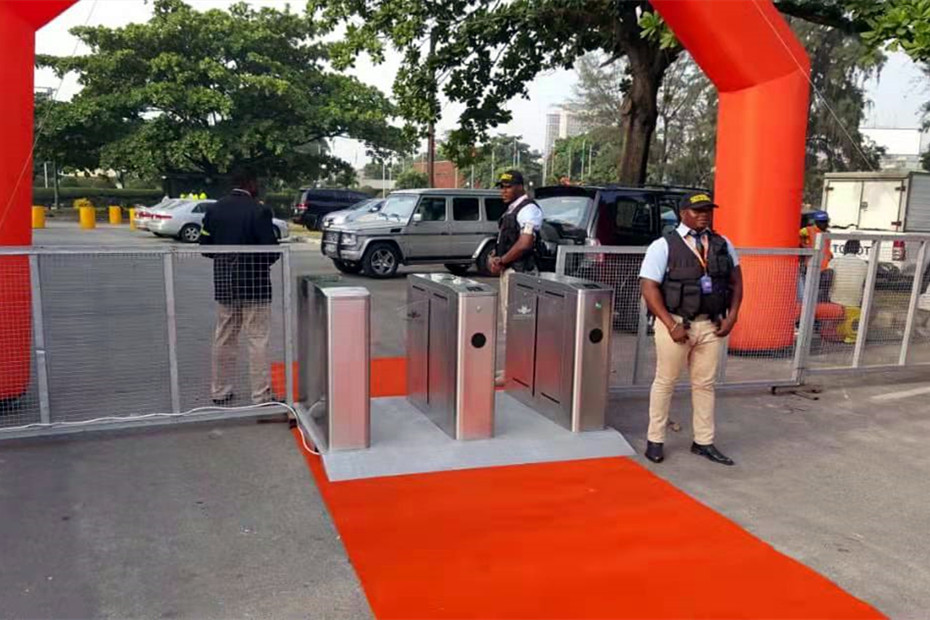
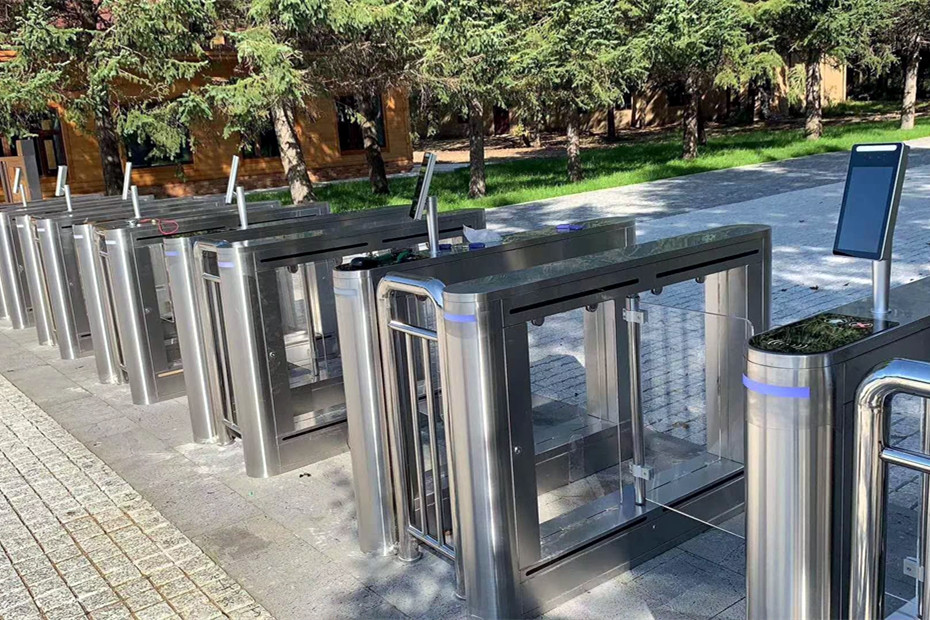
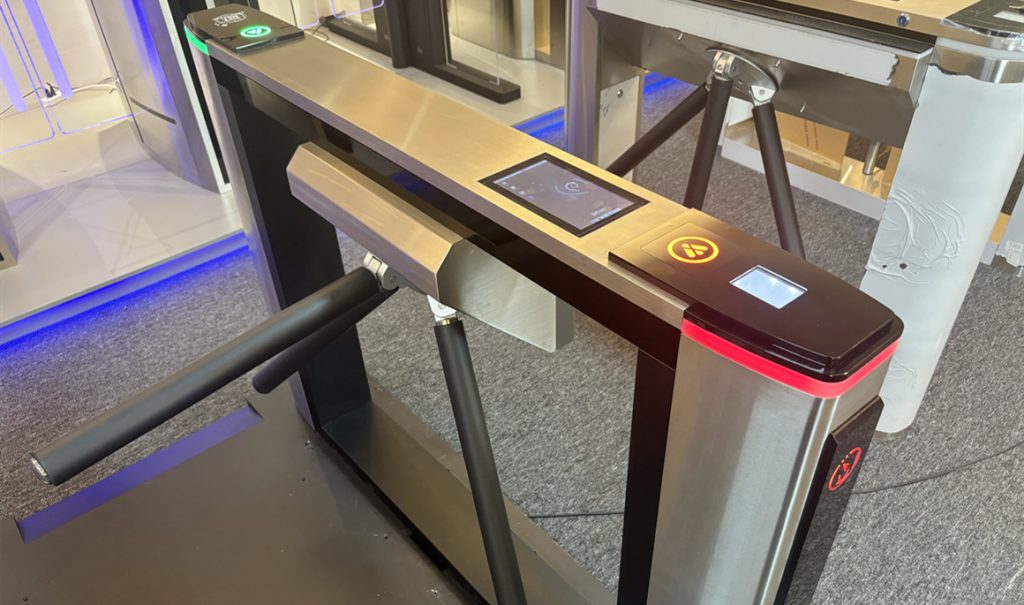
An outdoor turnstile (or exterior turnstile) is a pedestrian access control turnstile gate designed for installation in uncovered, open-air environments. Outdoor turnstile security gates have characteristics such as waterproofing, dust prevention, high-temperature resistance, and corrosion resistance to adapt to different climate conditions and environmental requirements.
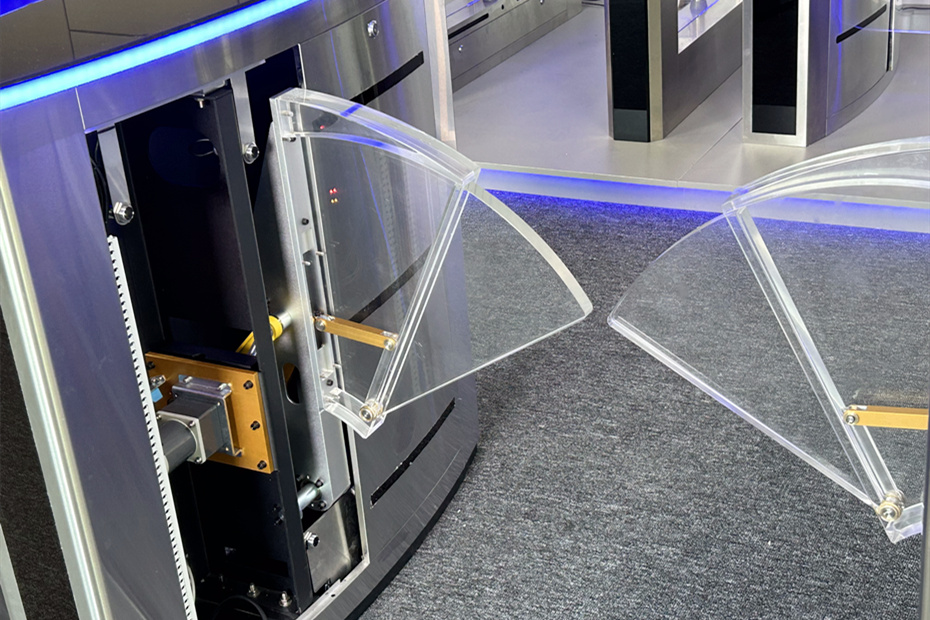
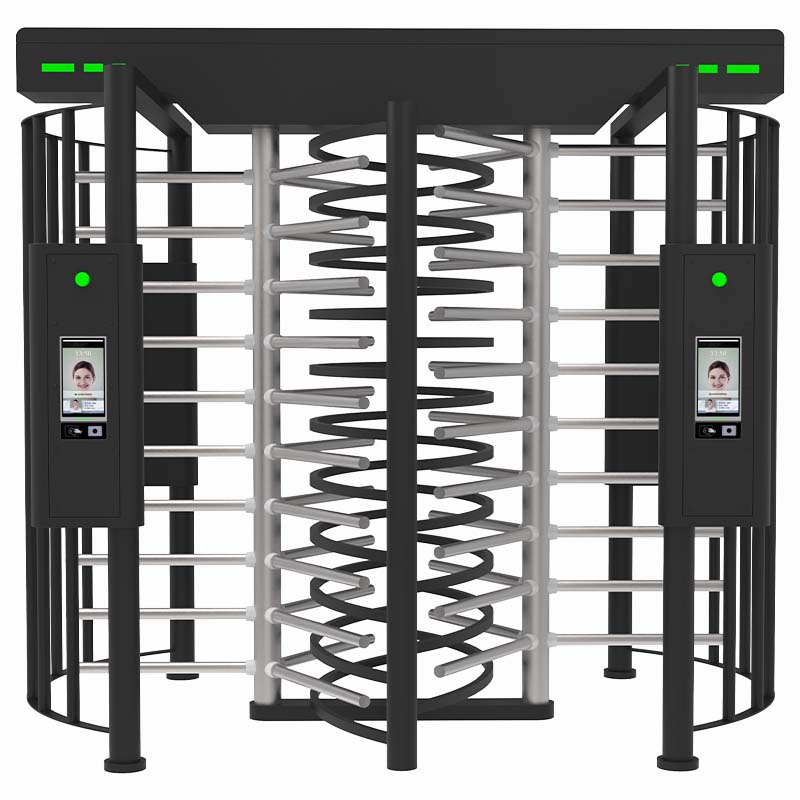
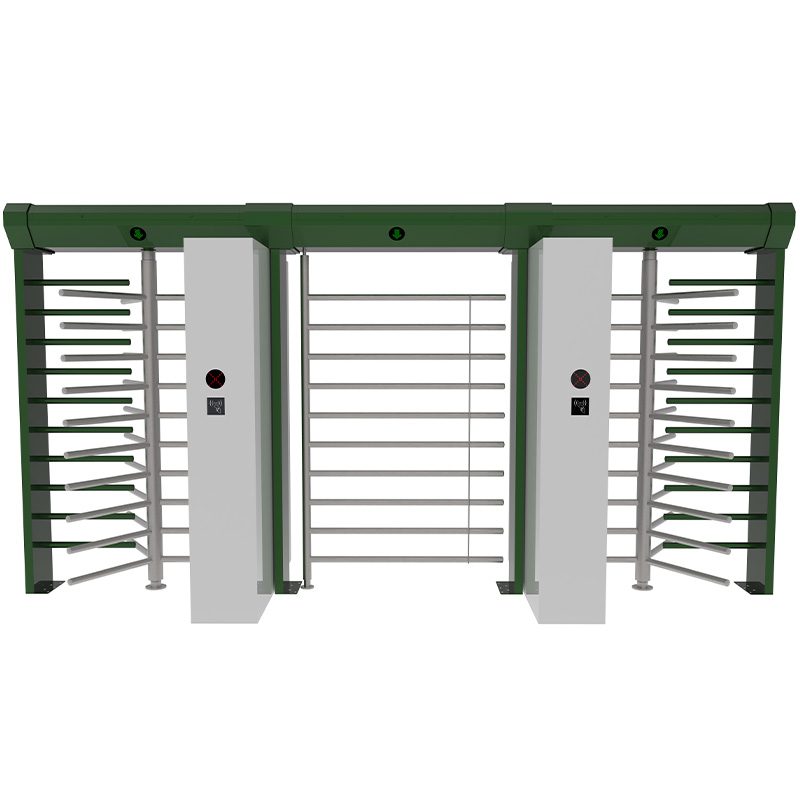
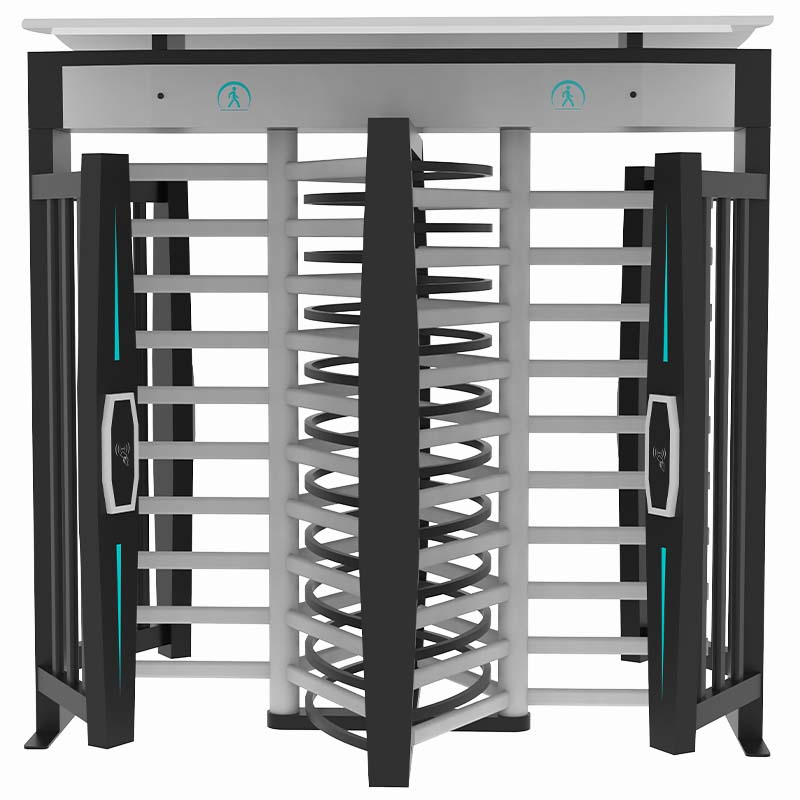
Various types of turnstiles (tripod turnstile barrier gate, swing barrier turnstile gate, flap barrier security gate, sliding gate security turnstile, full height security pedestrian turnstiles, etc.) can be made into outdoor turnstile machines.
Outdoor turnstiles help customers deal with extreme weather conveniently and without worry. The equipment can not only meet the normal passage of pedestrians, but also the design of widening and lengthening the passage is convenient for users to carry automatic vehicles and trolleys through, so as to avoid the damage caused by the wheel hitting the door wing in the short passage; At the same time, the outdoor turnstile design appearance is more atmospheric, making it close to the volume feeling of outdoor space and coordinated.
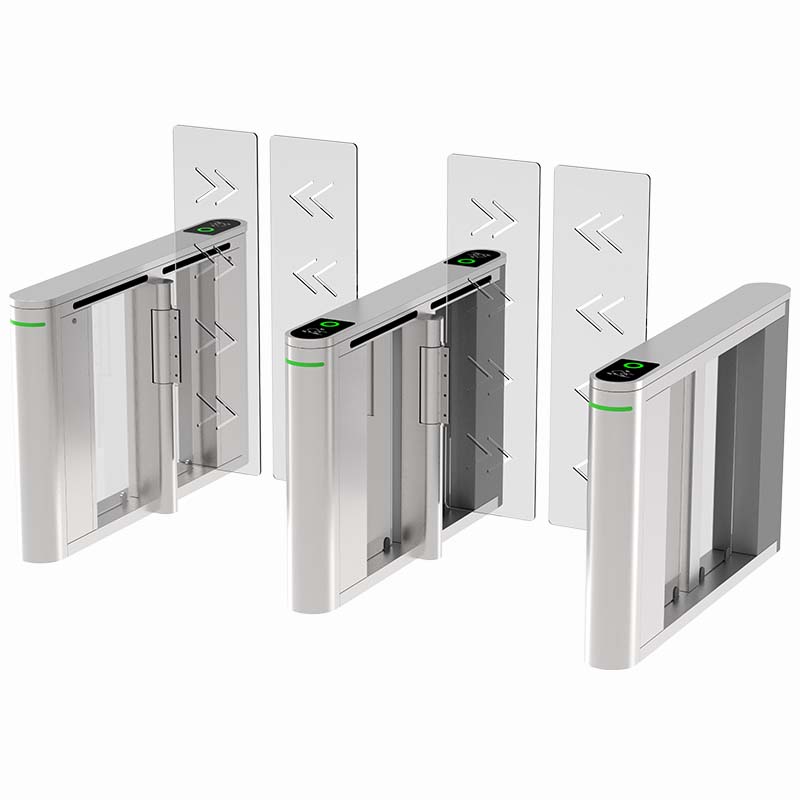
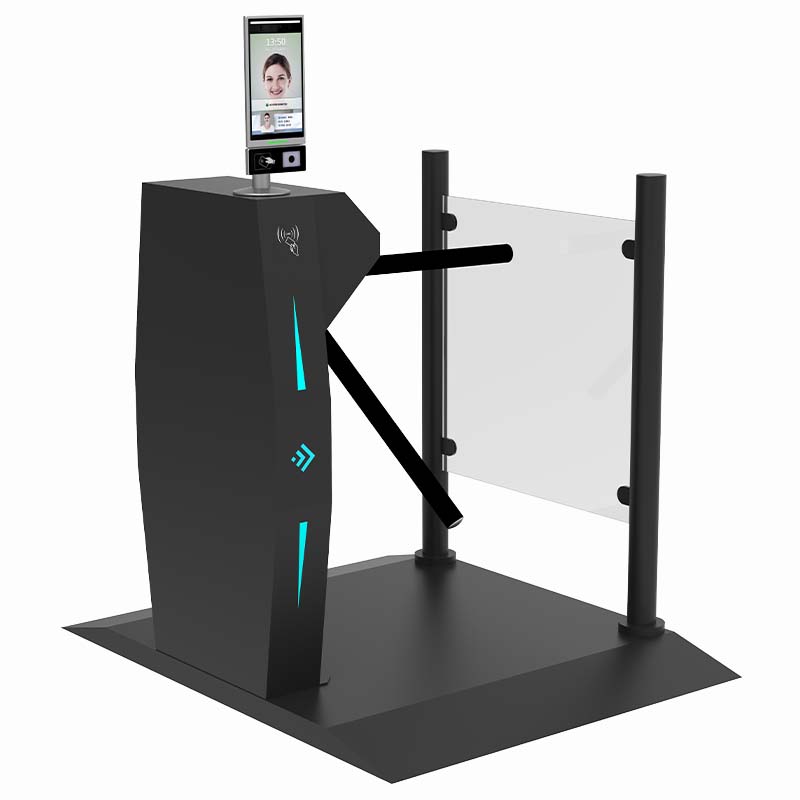
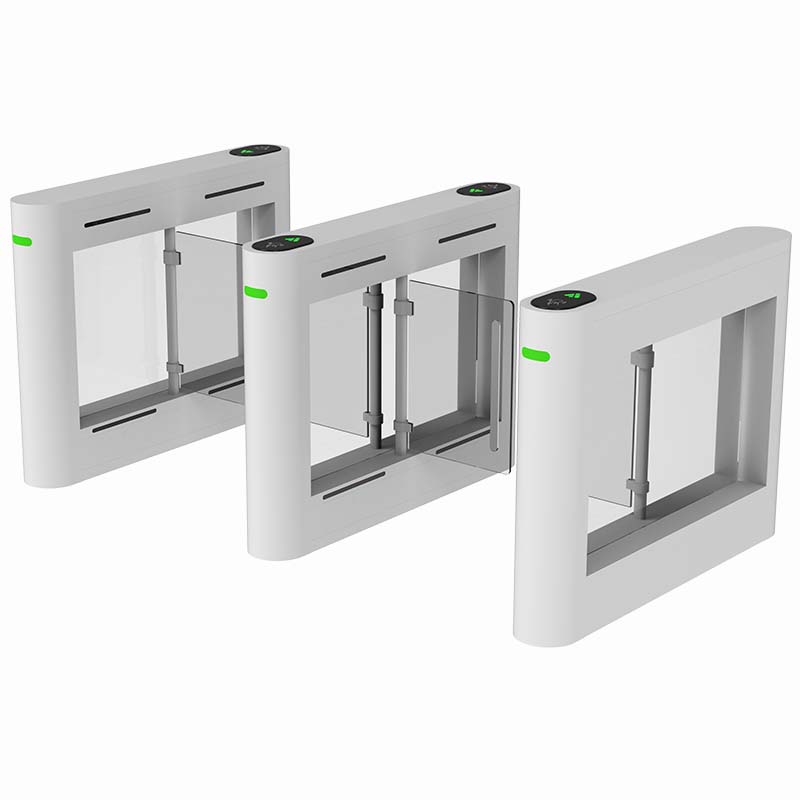
Key Features & Design Principles
What makes an outdoor turnstile different from an indoor one? Here are the critical design features:
Weather Resistance: Built to operate in rain, snow, high humidity, and extreme temperatures (-40°C to 70°C).
Durable Construction: The chassis is typically made from heavy-gauge 304 or 316 stainless steel, offering excellent corrosion and wear resistance. For projects in coastal areas or extreme environments (like the Middle East), 316 stainless steel is recommended for its superior resistance to salt and chemicals.
Enhanced Sealing: All joints, cable interfaces, and component housings are sealed with waterproof rubber gaskets and silicone to prevent any moisture ingress.
Integrated Drainage System: A well-designed base allows any incidental water that enters to drain out safely, preventing damage to internal circuits.
Heat Dissipation & Condensation Management: Internal designs manage heat buildup from direct sun and prevent condensation, which can short-circuit electronics.
Sunlight Interference Protection: Sensors and infrared technology are shielded and positioned to minimize false alarms caused by direct or reflected sunlight.
Vandal Resistance: Outdoor units are often built with thicker steel and tamper-proof fasteners to withstand attempted break-ins or accidental impacts.
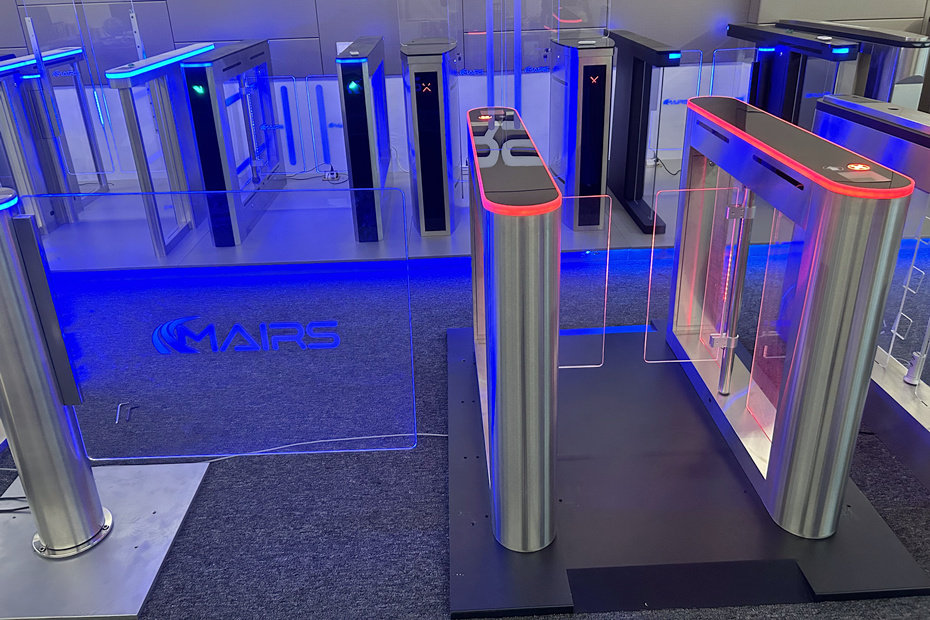
Understanding Waterproofing: IP Ratings Explained
The most important technical specification for an outdoor turnstile is its IP (Ingress Protection) rating. This international standard defines how well the device is protected against solids (like dust) and liquids (like water).
The rating consists of two digits (e.g., IP65).
First Digit (Solids): Ranges from 0 (no protection) to 6 (dust-tight).
Second Digit (Liquids): Ranges from 0 (no protection) to 8 (protection against continuous immersion).
| IP Rating | Solids Protection | Liquids Protection | Suitability for Outdoor Turnstiles |
|---|---|---|---|
| IP54 | Protected against limited dust ingress. | Protected against water splashes from any direction. | Minimum for covered outdoor areas, but not ideal for heavy rain. |
| IP65 | Dust-tight. Complete protection against dust. | Protected against low-pressure water jets from any direction. | Excellent for most outdoor applications. Handles rain and hosing. |
| IP66 | Dust-tight. Complete protection against dust. | Protected against powerful water jets and heavy seas. | Ideal for extreme weather or areas prone to powerful storms and flooding. |
For a reliable outdoor installation, an IP65 or IP66 rating is highly recommended.
How to Choose the Right Outdoor Turnstile
Selecting the perfect exterior turnstile requires evaluating more than just the type. Use this checklist to guide your decision.
1. Assess Your Environment
Climate: Does it rain heavily? Is it dusty? Does the temperature drop below freezing or soar above 40°C?
Location: Is it by the sea (saltwater corrosion)? Is it in direct, intense sunlight all day?
Action: Choose a unit with an appropriate IP rating (IP65/IP66) and material (316 stainless steel for coastal areas).
2. Verify Material and Build Quality
Look for a chassis made from 304 or 316 stainless steel.
Check the thickness of the steel. A heavier, thicker chassis is more durable and vandal-resistant.
Ensure all seams are smoothly welded and sealed, not just bolted together.
3. Evaluate the Sealing and Drainage
Ask about the sealing method for cable entries and access panels.
Confirm the unit has a drainage system at the base to prevent internal water accumulation.
4. Consider Traffic Type
Will pedestrians only pass through, or will there be bicycles, e-scooters, or trolleys?
If mixed traffic is expected, look for outdoor swing turnstiles with customized, widened passages (up to 900mm or more) to prevent wheel damage to the gate wings.
5. Integration Needs
Does the outdoor turnstile need to integrate with your existing access control system (facial recognition, QR code, card reader)?
Ensure the control board is also protected and has the correct interfaces.
6. Manufacturer Reputation
Choose a reputable manufacturer like Mairs with a proven track record in outdoor projects. Ask for case studies or references.
Outdoor Turnstile Water Ingress: A Troubleshooting Guide
Despite the best precautions, extreme weather events can sometimes lead to water ingress. If you find your outdoor turnstile has been exposed to standing water, follow these steps immediately.
Step 1: CUT OFF POWER (Crucial)
Immediately disconnect the main power supply to the turnstile and any connected systems. Do not touch the unit if it is still powered and wet. This prevents electric shock and further short-circuiting.
Step 2: Remove Standing Water
If water is pooled around the base, use pumps or buckets to remove it. If the unit is in a low-lying area, try to move it to a dry spot if possible.
Step 3: Drying and Disassembly
Open the access panels carefully. Allow the interior to air dry naturally.
Use a low-temperature hair dryer or fan to circulate air. Keep a safe distance to avoid overheating components.
Gently wipe circuit boards with anhydrous alcohol to remove water stains and minerals.
Step 4: Inspection and Repair
Inspect circuit boards, connectors, and motors for signs of corrosion, burning, or short circuits.
For minor corrosion, cleaning may suffice.
For severely damaged components (e.g., a fried circuit board), contact the manufacturer (Mairs) for replacement parts or professional repair.
Step 5: Re-test and Restore
Once everything is completely dry and damaged parts are replaced, reconnect power.
Test all functions: authentication (card, face, etc.), opening/closing, sensors, and alarms.
Only return the unit to full service after it passes all functional tests.
Prevention is Key:
Install a Rain Shelter: A simple canopy or roof above the turnstile dramatically reduces exposure.
Build a Cement Base: Raise the turnstile on a 100mm+ cement plinth to keep it above standing water. Seal the gap between the plinth and the chassis with silicone.
Regular Inspections: Check seals and drainage holes before and after the rainy season.
Secure Your Entrance, Rain or Shine
An outdoor turnstile is a significant investment in the security and organization of your facility. By choosing a unit built to withstand the elements, you ensure reliable, long-term performance and a fast return on your investment.
Mairs Turnstile has extensive experience providing rugged, weatherproof access control solutions for clients in diverse climates, from the humid tropics to the scorching deserts of the Middle East.
Contact MairsTurnstile today to discuss your outdoor project. Our engineers can help you select the perfect turnstile with the right materials, IP rating, and custom features for your specific environment.