Last updated on: September 5th, 2026 00:21 am
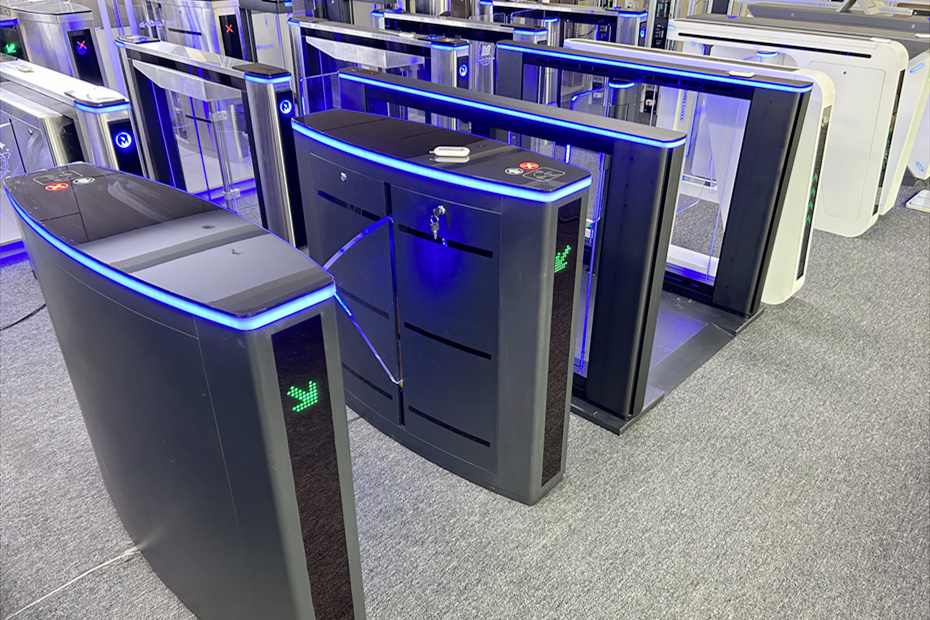
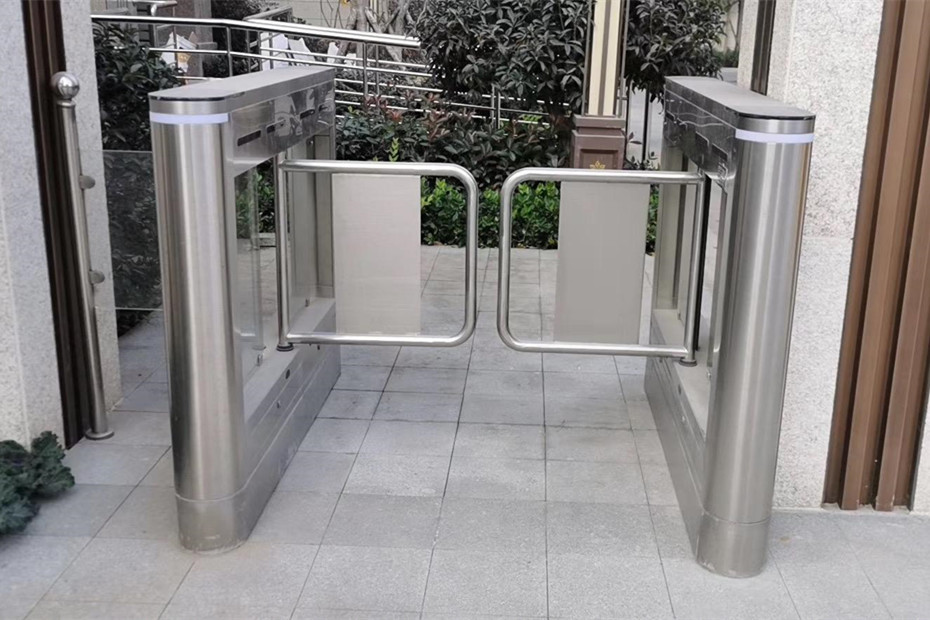
Pedestrian turnstile gates are the silent workhorses of modern security. From office lobbies and subway stations to construction sites and residential communities, they manage thousands of passages every day, providing safety and convenience.
Like any precision machine, a turnstile gate requires regular maintenance to perform reliably. Neglecting this upkeep leads to sticky mechanisms, faulty sensors, unexpected breakdowns, and costly repairs. A well-maintained turnstile, however, can provide millions of trouble-free cycles and a service life of 10+ years.
The turnstile maintenance directly affects the service life of the turnstile gate (tripod security turnstile barrier gate, swing security turnstile gate, flap barrier security gate, full height security barrier turnstiles, security turnstile speed gates, half height security turnstile, sliding barrier gate turnstile,etc.). Therefore, the turnstile gate must be regularly maintained and maintained as required.
This guide provides a complete, step-by-step approach to turnstile maintenance, covering the external chassis, the internal mechanism, and the power circuit. Whether you manage a single gate or a bank of 20, these tips will help you protect your investment.
Turnstile Maintenance Schedule at a Glance
| Frequency | External Chassis | Internal Mechanism | Power & Electrical |
|---|---|---|---|
| Weekly | Wipe down with soft cloth. Check for rust spots or scratches. | – | – |
| Monthly | Apply stainless steel oil. Clean infrared sensor windows. | Clean dust from components. Check all screws and fasteners for tightness. | – |
| Quarterly | – | Check limit switches and springs. Lubricate moving parts (sparingly). | – |
| Bi-Annually | – | Deep inspection of all mechanical parts. | Check all wiring for looseness or aging. Clean circuit boards with compressed air. |
| Annually | – | Replace worn parts (springs, bearings). Full professional inspection. | Full electrical safety check. |
Part 1: Chassis Maintenance
The chassis is the face of your turnstile. It takes the brunt of the weather, accidental bumps, and daily wear and tear. Keeping it clean is not just about aesthetics; it protects the internal components.
1. Regular Cleaning
Frequency: Weekly, or more often in dusty or coastal environments.
Method: Use a soft, lint-free cloth to wipe down all stainless steel surfaces. For standard 304 stainless steel, a damp cloth with mild soap is sufficient.
Pro Tip: Mairs provides a bottle of stainless steel maintenance oil with every shipment. Apply this oil monthly to prevent oxidation, remove fingerprints, and keep the surface looking like new. Apply the oil, let it dry for 3-5 hours, and then buff with a clean cloth.
2. Dealing with Rust Spots
Even stainless steel can rust if neglected, especially in coastal areas (salt corrosion) or industrial zones.
Action: If you see small rust spots, use a fine-grit sandpaper or talc powder to gently rub the spot away, always following the grain of the steel. Clean the area and apply anti-rust oil immediately.
3. Sensor Windows (Crucial!)
The infrared sensor windows are the “eyes” of your turnstile.
Warning: When cleaning, be extremely careful NOT to get cleaning fluid or polish on the infrared acrylic lenses. Dirty or painted-over sensors will cause false alarms, constant beeping, and malfunctioning anti-pinch features.
Method: Clean the sensor windows with a soft, dry, lint-free cloth. If needed, use a non-corrosive cleaner applied to the cloth, not directly to the sensor.
4. Painted or Acrylic Surfaces
For painted chassis, simply wipe with a soft cloth. For scratches, use touch-up paint of the same color.
For acrylic parts, use a non-corrosive cleaner and a soft rag to avoid scratching.
Part 2: Turnstile Mechanism Maintenance
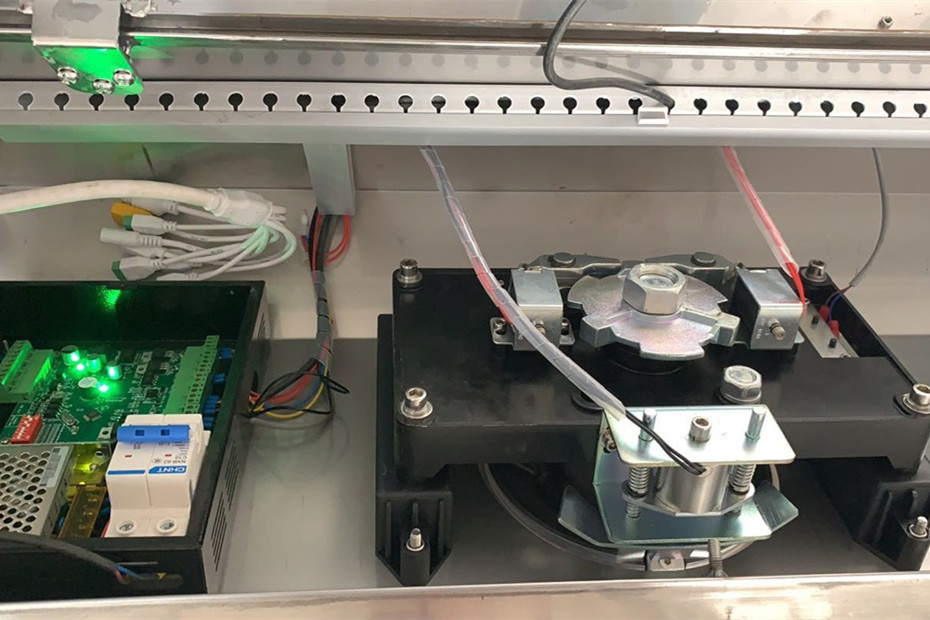
The turnstile barrier gate mechanism is the heart of the pedestrian turnstile gate. It contains the motor, gears, springs, and limit switches. This area requires careful, periodic attention.
Safety First: ALWAYS disconnect the main power supply before opening the chassis cover.
1. Dust Removal
Frequency: Monthly.
Method: Use compressed air or a vacuum cleaner to remove dust and debris from all mechanical parts. A buildup of dust can jam delicate components and cause overheating.
2. Check Fasteners
Vibration from constant use can loosen screws and bolts.
Action: Inspect all visible screws, especially those connecting the motor, the rotating arm assembly, and the chassis. Tighten any that feel loose.
3. Lubrication
Moving parts need lubrication to reduce friction and wear.
Action: Apply a small amount of high-quality lubricant to gears, guide rails, and pivot points.
Caution: Less is more. Excess lubricant attracts dust, which turns into a grinding paste. Wipe away any excess. The solenoid valve (if present) should move freely but only needs a very light touch of lubricant.
4. Inspect Springs and Limit Switches
Balance Spring: The spring that helps balance the swing arm or rotating mechanism can weaken over time. After approximately 30,000 operations, check its tension and adjust if necessary.
Limit Switches: These tell the control board when the arm has fully opened or closed. Do not adjust these casually. If they are misaligned, the turnstile gate will not function correctly. Only adjust if you have confirmed they are the source of a problem.
5. Check for Wear
Examine the turnstile mechanism for signs of wear, such as a worn slotted disc or excessive play in the gears.
Key Sign: If the turnstile gate can be pushed open manually when it is supposed to be locked, the turnstile mechanism is likely worn and needs repair or replacement.
Part 3: Power & Circuit Maintenance
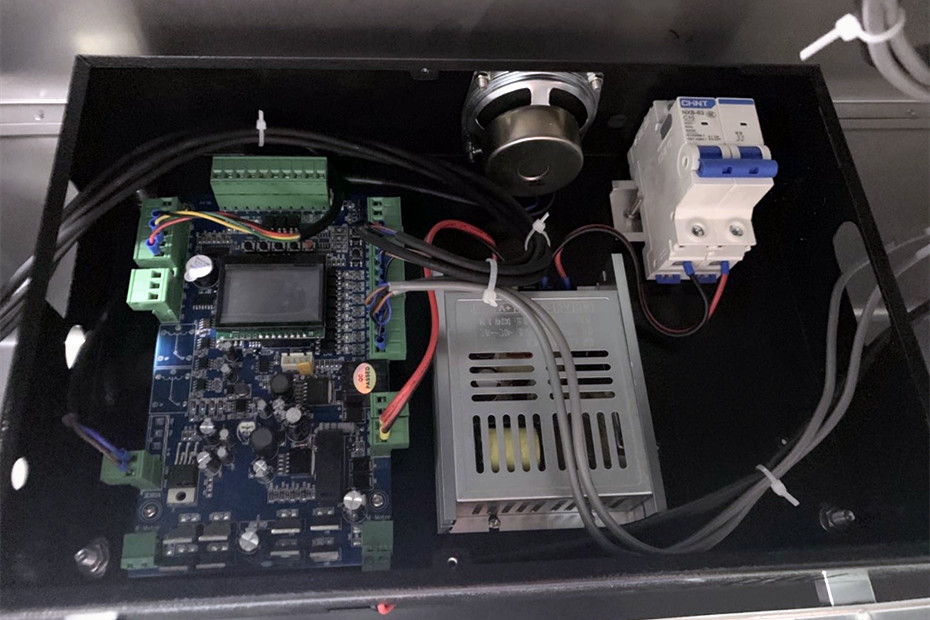
The electrical system is the nervous system of your turnstile. Maintenance here is more about inspection and prevention than hands-on repair.
1. Visual Inspection
Frequency: Every 6 months.
With the power OFF, open the control board compartment.
Check for any signs of burnt components, discolored wires, or corrosion on the circuit board.
Ensure all wire connectors and plug-ins are seated firmly. A loose connection can cause intermittent failures.
2. Dust Removal
Use compressed air to gently blow dust off the circuit board and power supply. A buildup of conductive dust can cause short circuits. A small brush can also be used for stubborn dust.
3. Check Cables and Wiring
Inspect the main power cable and all connecting wires for cracks, brittleness, or other signs of aging.
Check the grounding wire connection. A reliable ground is essential for safety and to prevent static damage to electronics.
4. Battery Check (If Applicable)
If your turnstile uses a backup battery for the remote control or emergency functions, check its charge and replace it as needed (e.g., 23A 12V batteries typically last about a year). Keep batteries dry and free from physical damage.
Essential Safety & Maintenance Checklist
Follow these critical precautions to ensure safe and effective turnstile maintenance.
Schedule Deep Inspections: Plan for a comprehensive turnstile maintenance check by a qualified technician every 6-12 months.
Power Down: Always turn off the main power before opening the chassis, cleaning, or performing any mechanical work. Never plug or unplug connectors with the power on (hot-plugging), as this can destroy the control board.
Use the Right Tools: Use soft cloths and non-corrosive cleaners. Avoid hard objects that could scratch surfaces.
No Water: Never hose down or use water to clean the turnstile. Water will short-circuit the electronics.
Keep Sensors Clean: Regularly ensure the infrared beam windows are clean and unobstructed.
Listen for Noise: Pay attention during operation. Unusual grinding, squeaking, or knocking sounds are early warning signs of mechanical wear.
When to Call a Professional
The steps above cover routine turnstile maintenance that facility staff can perform. However, for complex issues, it’s always best to contact the manufacturer or a qualified technician. This includes:
Replacing burnt circuit boards or motors.
Repairing badly worn mechanisms.
Addressing persistent error codes or alarms.
Any work inside the high-voltage area of the power supply.
Keep Your Turnstile Running Smoothly with Mairs
A well-maintained turnstile is a reliable turnstile. By following this guide, you can ensure your equipment provides maximum security and a smooth user experience for years to come.
If you encounter a problem beyond routine turnstile maintenance, or if you need genuine spare parts, the Mairs team is here to help. All our products come with a 2-year warranty and comprehensive technical support.
Contact Mairs Technical Support for assistance or to order replacement parts.
For more information, you may find these guides helpful:
Access Control Security Turnstile Guide
Turnstile Barrier Gate Installation Guide
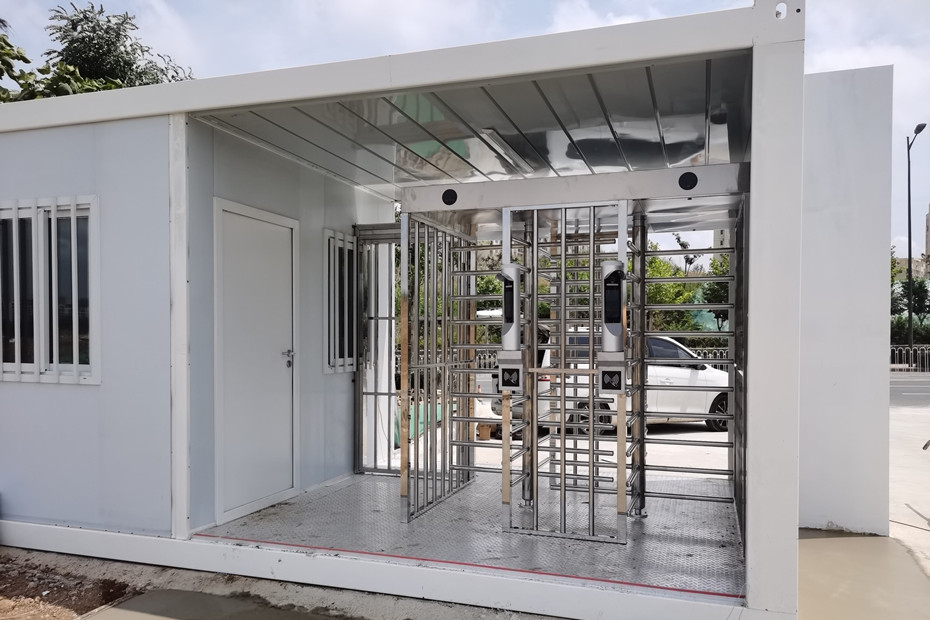
The turnstile gates receive so many people every day. If something goes wrong and the turnstile gate will fail to open, then we will have to repair it. In order to avoid this situation and keep the turnstile gate running well, we must pay attention to turnstile maintenance.
This is all the contents of turnstile maintenance. Finally, it must be emphasized that the above turnstile maintenance must be maintained by special personnel, especially the mechanism and circuit parts.
Of course, Here we just describe the simple turnstile maintenance. If there is something wrong with your access control turnstile gate, we suggest that you contact a professional turnstile maintenance person to repair it, or contact the manufacturer to provide technical support.