Last updated on: September 5th, 2026 23:39 pm
Urban rail systems—subways, metros, and light rail—are the lifeblood of modern cities. They move millions of people every day, and managing that flow efficiently and securely is a monumental task.
The subway turnstile (also known as a metro turnstile) is the critical interface between the paid and unpaid areas of a station. It must be incredibly fast, ruthlessly reliable, and robust enough to handle continuous, high-volume traffic in a public environment.
This subway turnstile guide explains how subway turnstiles work, their key components, and the features that make them essential for transit operations.
What is a Subway Turnstile?
A subway turnstile (also called a metro turnstile) is an automated access control turnstile gate specifically designed for use in urban rail transit systems, including subways, metros, bus terminals, and airports. Its primary purpose is to regulate the flow of passengers, ensuring that only those with valid tickets or passes can enter or exit the paid area.
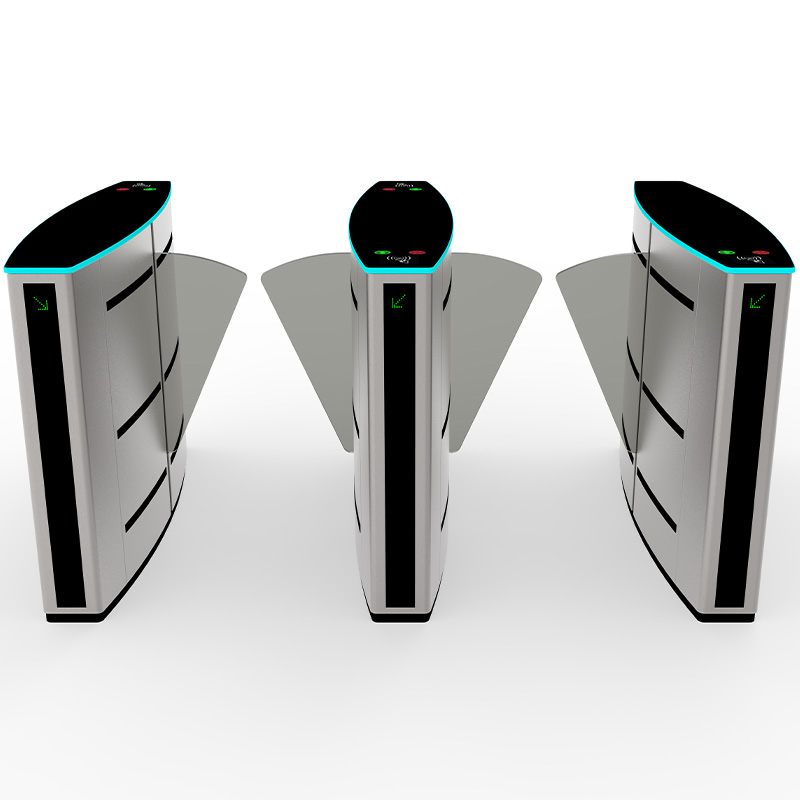
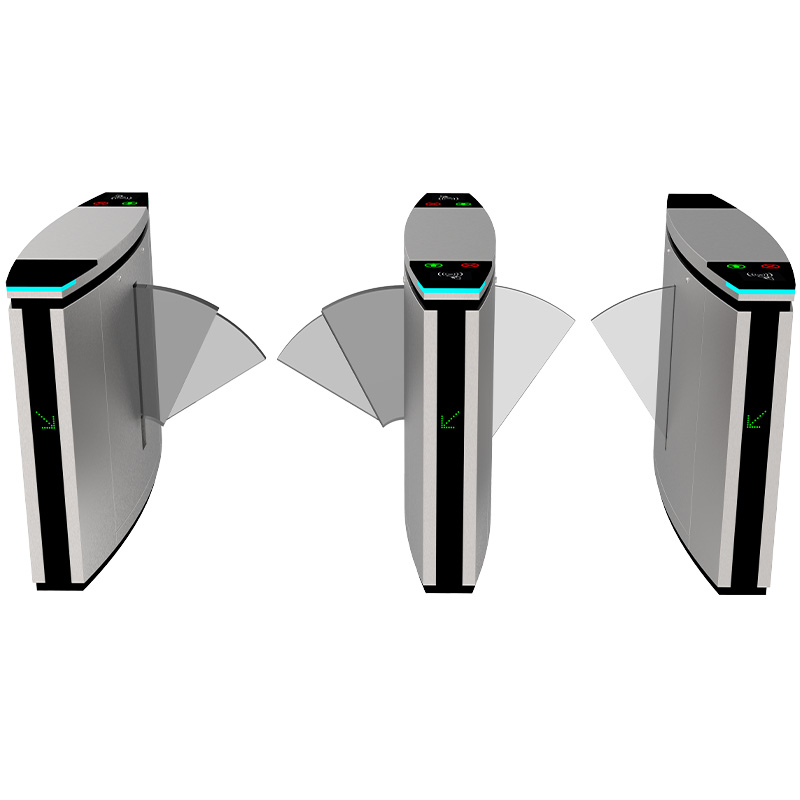
While various turnstile types can be used, the flap barrier turnstile is the most common choice for subways due to its:
High-Speed Operation: Capable of processing 40-60 passengers per minute.
Sleek, Space-Saving Design: Ideal for crowded station environments.
Reliable Anti-Tailgating: Ensures one person, one ticket.
In some specific applications, swing turnstiles (for wider accessibility) or tripod turnstiles (for lower-budget, lower-traffic stations) may also be used, but the flap barrier is the industry standard for heavy rail transit.
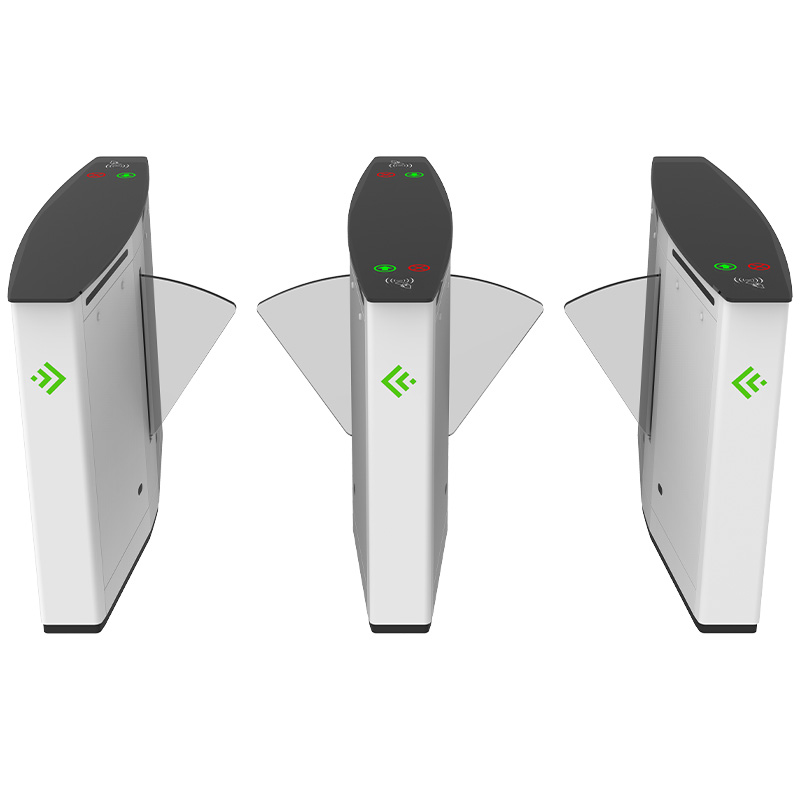
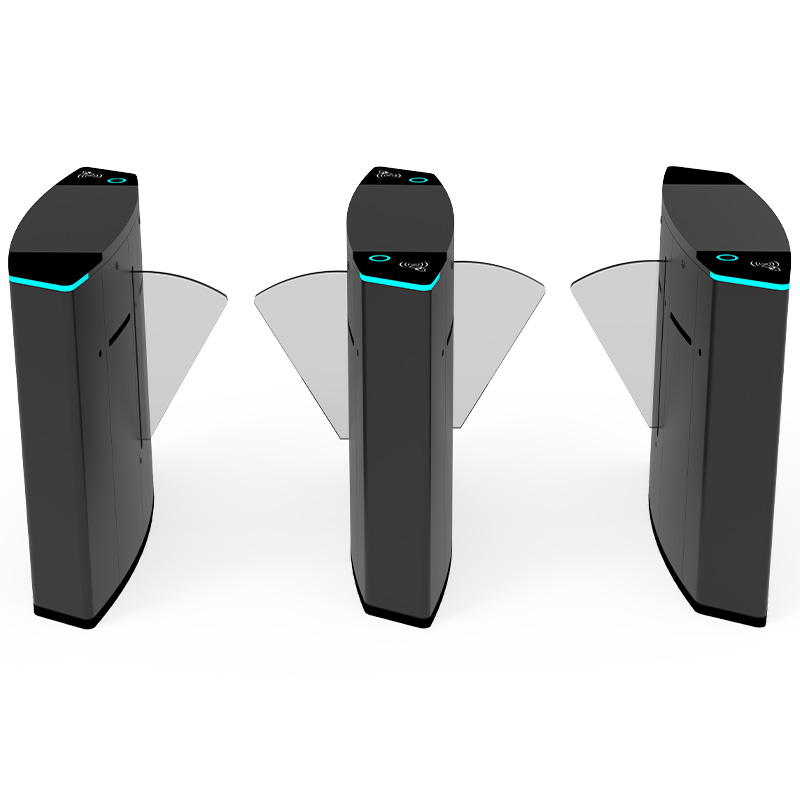
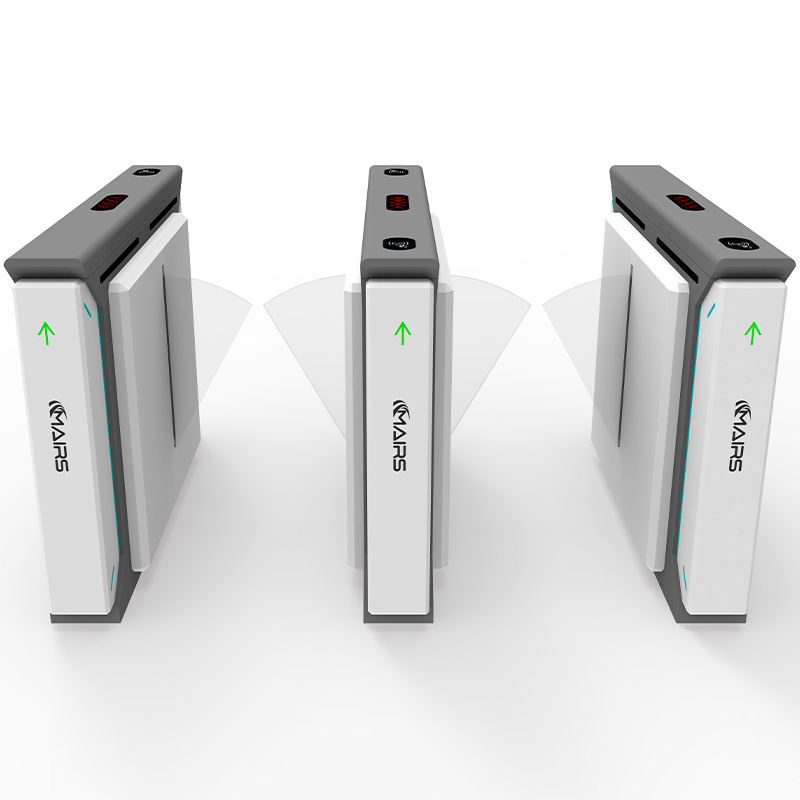
Generally, the flap barrier turnstile is selected for the subway turnstile, because the subway station is a place with close personnel, the passenger flow is relatively large, and the traffic speed of the flap barrier turnstile is also relatively fast. Of course, swing turnstile and tripod turnstile are also used in some cases, which depend on the flow of people and the needs of specific occasions.
How Does a Subway Turnstile Work?
The operation of a subway turnstile is a seamless integration of hardware and software, designed for speed and accuracy.
Ticket Presentation: A passenger approaches the turnstile and presents their credential. This could be an RFID card, a paper ticket with a magnetic stripe, a QR code on a mobile phone, or even a contactless bank card.
Real-Time Verification: The turnstile’s built-in card reader or scanner captures the information and sends it to the central ticketing system or a local validator. The system instantly checks:
Is the ticket valid and not expired?
Does it have sufficient value/rides?
Has it been used before at this station?
Gate Action:
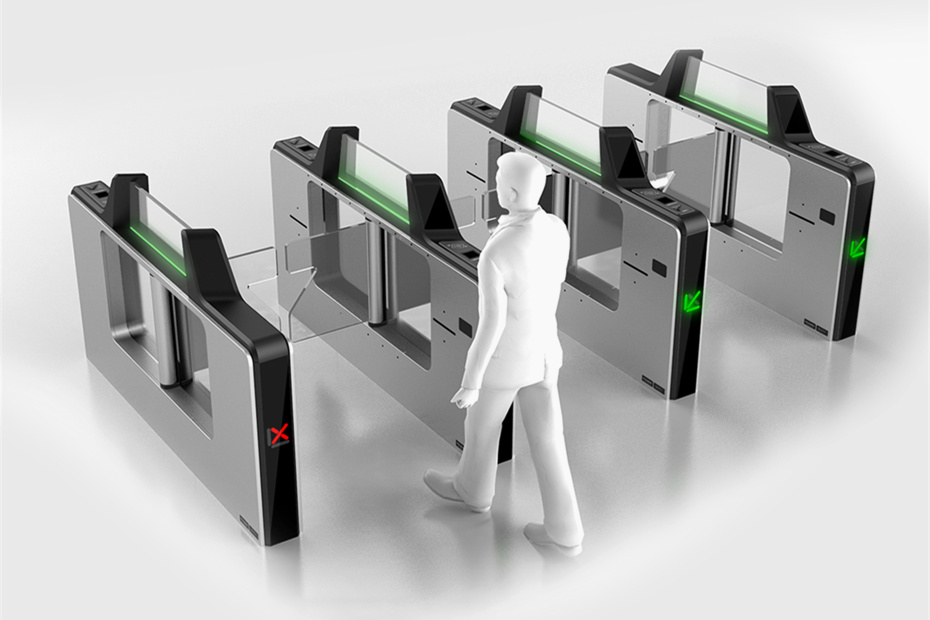
Valid Ticket: The control system sends an “open” signal. The high-speed motor drives the flaps (wings) to retract into the chassis. A green arrow or “Go” signal is displayed.
Invalid Ticket: The flaps remain closed, and the display shows a red “X” or an error message (e.g., “Insufficient Fare,” “Ticket Expired”).
Passage and Reset: The passenger walks through the open lane. A matrix of infrared sensors tracks their movement. Once the passenger has cleared the sensor zone, the flaps automatically close, ready for the next person. If a passenger attempts to pass without a valid ticket (tailgating), the sensors detect this and trigger an alarm.
Why Subways Choose Flap Barriers
While several turnstile types exist, the flap barrier is the dominant choice for subways worldwide.
Aesthetics: The sleek, modern design of flap barriers contributes to a more positive image of the transit system.
Speed: Flap barriers are significantly faster than tripod or swing turnstiles, which is critical for high-volume stations.
Space Efficiency: Their slim profile takes up less valuable floor space in station lobbies.
Passenger Comfort: The retracting flaps are less intimidating and more convenient for passengers carrying bags or luggage compared to rotating tripod arms.
Subway Turnstile Projects: Customization & Integration
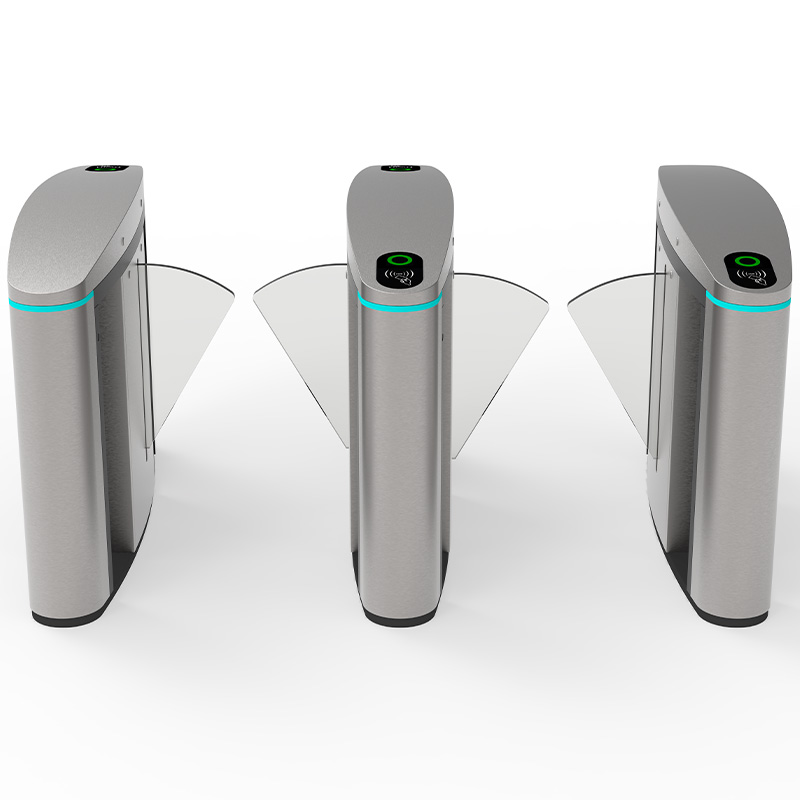
Every metro system has unique requirements. Mairs Turnstile has extensive experience providing customized solutions for transit authorities.
We can customize:
Appearance: Match your station’s branding with specific colors, logos, or finishes.
Lane Width: Provide standard or wide-lane passages for accessibility needs.
Ticketing Integration: Integrate seamlessly with your existing ticketing platform, whether it uses QR codes, RFID, magnetic stripes, or the latest contactless payment systems.
Communication Protocols: Ensure the turnstiles communicate flawlessly with your central station management software.
Key Components of a Subway Turnstile
A high-quality metro turnstile is built from several precision-engineered components.
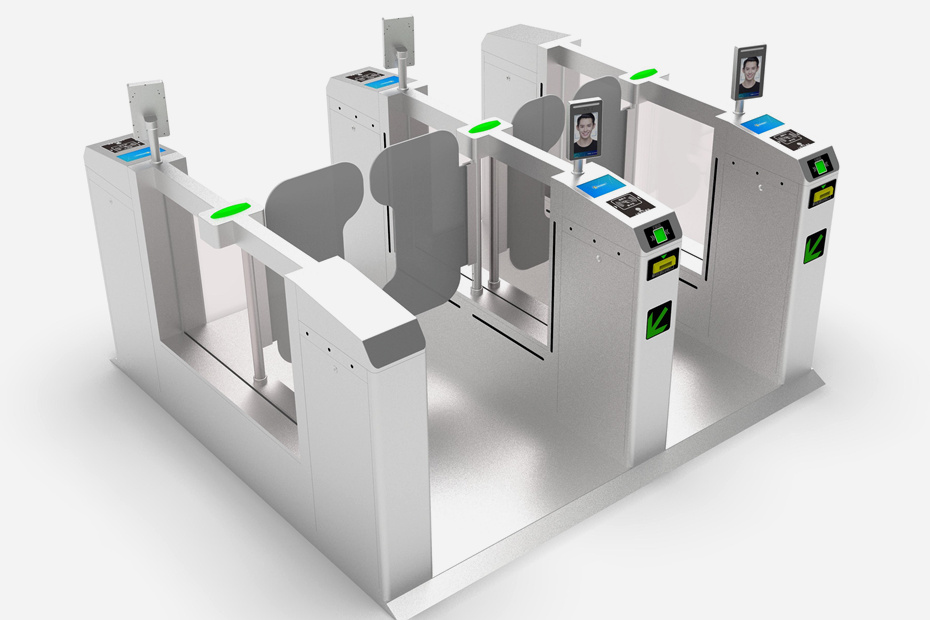
Ticketing Interface: This includes the card reader, QR code scanner, or magnetic ticket slot, which is integrated into the top housing of the turnstile for easy passenger access.
Chassis: The external housing, almost always made of high-grade 304 stainless steel. It must be durable, vandal-resistant, and often features a trapezoidal or inclined design to save space and enhance aesthetics. Internal components are treated for rust and corrosion protection.
Drive Mechanism: The “heart” of the turnstile. For subway applications, this is typically a high-end DC brushless motor or servo motor. This provides the necessary speed (fast opening/closing), smoothness, synchronization between multiple units, and ultra-quiet operation essential for transit environments.
Control System: The main circuit board (microprocessor) that acts as the brain. It processes signals from the ticketing system, controls the motor, manages the sensors, and handles communication with the central station computer.
Sensor Array: Subway turnstiles rely on a dense network of sensors, usually military-grade infrared detectors. A typical high-end unit uses 10+ pairs of sensors. These are responsible for:
Detecting passenger presence and direction.
Preventing tailgating.
Ensuring anti-pinch safety.
Counting passenger flow.
Blocking Mechanism (Flaps/Wings): The physical barriers, usually made of shatter-resistant acrylic or glass, that open and close to control passage.
Key Features & Benefits of Subway Turnstiles
Transit authorities choose specialized subway turnstiles for a reason. Here are the features that matter most.
| Feature | Benefit |
|---|---|
| High-Speed Operation | Reduces queues and congestion during peak hours, improving the passenger experience and station throughout. |
| Powerful Anti-Tailgating | The dense sensor array and logic control ensure that only one person passes per valid ticket, preventing fare evasion. |
| Multiple Authentication Modes | Accepts various ticket types (IC cards, QR codes, magnetic stripe, NFC mobile payments) for maximum passenger convenience and flexibility. |
| Emergency Response Function | In a fire or other emergency, the turnstiles automatically go into “fail-safe” mode—flaps open, arms drop—to allow for rapid, unimpeded evacuation. |
| Normally Open Mode | During special events or extreme rush hours, the gates can be set to a “normally open” state, allowing free flow while still logging traffic data and alarming for unauthorized entry. |
| Real-Time Data & Monitoring | Every passage is recorded, providing valuable data for passenger flow analysis, revenue control, and operational planning. The system can also self-diagnose faults and report them to a central control room. |
| Accessible Passage | Stations can integrate a wider, accessible gate to comply with ADA standards, allowing easy passage for wheelchair users, parents with strollers, and passengers with large luggage. |
| Enhanced Security | By ensuring that only ticketed passengers enter the paid zone, turnstiles prevent loitering, vandalism, and potential security threats, creating a safer environment for everyone. |
| Durable Construction | Built with 304 stainless steel and industrial-grade components to withstand 24/7 operation, vandalism, and harsh environmental conditions. |
Powering the World’s Transit Systems
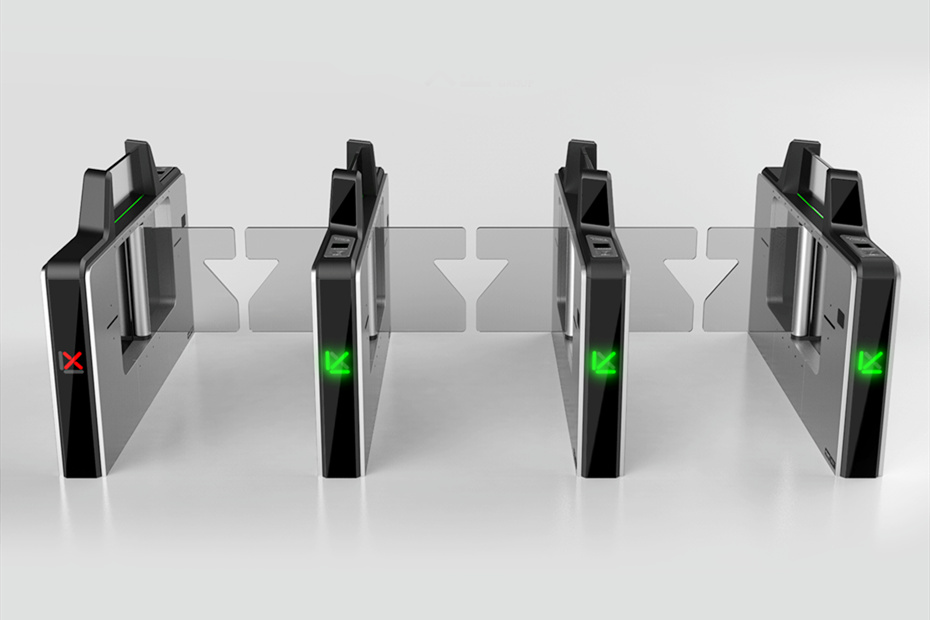
A subway turnstile is more than just a gate; it’s a critical component of a city’s infrastructure. It must be fast, reliable, secure, and durable. With the right system, transit authorities can reduce fare evasion, improve passenger flow, and gather the data needed to run an efficient operation.
If you are planning a new metro line, upgrading an existing station, or need a reliable partner for a large-scale transit project, MairsTurnstile has the expertise and products to deliver.
Contact MairsTurnstile today to discuss your subway turnstile project. Our engineers can provide a free estimate and a customized solution tailored to your specific needs.
For more information on related technologies, see our guides on:
Flap Barrier Gate Security Turnstile
QR Code Security Gate Turnstile
Turnstile Gate And Ticketing System
Video of the metro turnstile:
At the end of the article, please check out our video on the metro turnstile:
Above is all the content of the subway turnstile, if you have any questions about the subway turnstile gate security solutions, please contact us to discuss. Mairs provides a high-quality turnstile gate for sale at an affordable price. We can also customize the turnstile gate according to your requirements. Our aim is to provide high-quality products and the best service. All of our products get 2 years warranty. If there is an exception or technical support during the use of the turnstile gate, We will offer you the most satisfactory reply and provide the best service.